Afrobeats Type Beats
High Quality Afrobeats Type Beats for Artists
The sound of modern Afrobeats is defined by its infectious rhythm and melodic soul. This collection features professional instrumentals crafted with the precise syncopation and heavy low end needed to compete on a global scale. Whether you are looking for the smooth guitars of West African Highlife or the hard hitting log drums of Amapiano, these tracks provide the professional foundation your vocals deserve.
Every beat in this catalog is mixed and mastered to industry standards with plenty of headroom for your recording session. You get instant access to high quality files so you can start creating immediately without technical hurdles. These instrumentals are inspired by the rhythmic structures of top tier artists like Burna Boy, Wizkid, and Rema, ensuring your music fits perfectly into the current landscape of streaming playlists and radio rotation.
Securing a license is a straightforward process that protects your rights as a creator and allows you to distribute your music to Spotify, Apple Music, and YouTube without stress. Browse the player to find the specific energy that matches your project and take your sound to the next level today. Check out my full catalog of beats at SoundGrips Beats
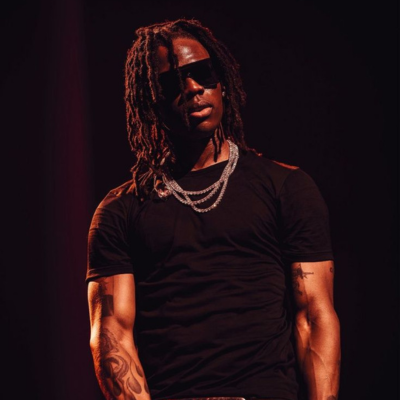
Afrobeats Artist Type Beats



Listen To Our Afrobeats Type Beats On Spotify
Afrobeats Type Beats On YouTube
Collaborate With Us
The true value of a professional Afrobeats instrumental lies in its ability to inspire a vocal performance that feels effortless and rhythmically locked in. When you license a track from this collection you are not just getting a background loop but a fully arranged composition that respects the natural pocket of the genre. Many producers overlook the importance of arrangement transitions but these tracks are built with specific sections for hooks and verses that allow your storytelling to breathe. This level of intentionality ensures that your final mix maintains a dynamic energy from start to finish making it ready for high quality distribution on all major platforms.
By choosing beats that prioritize sonic clarity and percussive integrity you set yourself apart from the thousands of artists using generic or poorly mixed tracks. The goal is to provide a soundscape where your voice can sit front and center without fighting against cluttered frequencies or thin percussion. Whether you are an independent artist looking for your first viral hit or an established songwriter working on a studio album these Afrobeats provide the rhythmic backbone necessary to compete in a fast moving global market.
The History of Afrobeats
The history of Afrobeats is a journey that spans decades and continents and it begins with the foundation laid by Fela Kuti in the late 1960s. While modern Afrobeats is a distinct movement it owes its rhythmic DNA to the original Afrobeat genre which fused traditional Yoruba music with jazz and highlife. This sound was characterized by complex horn arrangements and politically charged lyrics that spoke to the soul of Nigeria and West Africa.
As the late 1990s and early 2000s arrived the sound began to evolve through a new generation of artists who blended those traditional rhythms with American hip hop and R&B. This era saw the rise of labels and collectives that shifted the focus toward a more polished and club friendly sound. Producers began experimenting with digital workstations and synthesizers while maintaining the essential syncopation and percussion that makes the genre move.
In the 2010s the genre exploded into a global phenomenon as the internet and streaming platforms allowed the sound to travel instantly from Lagos to London and beyond. This period solidified the current Afrobeats identity as a massive umbrella that includes influences from Ghanaian highlife and UK grime along with the rise of South African Amapiano. The current landscape is dominated by artists who have achieved mainstream success on the charts worldwide by staying true to the infectious energy of African percussion while embracing modern pop production standards.
Today Afrobeats is more than just a genre because it represents a cultural shift where African artists and producers set the pace for global music trends. It continues to reinvent itself every year through new subgenres and experimental sounds that keep the dancefloor moving while providing a soulful backdrop for melodic storytelling.